

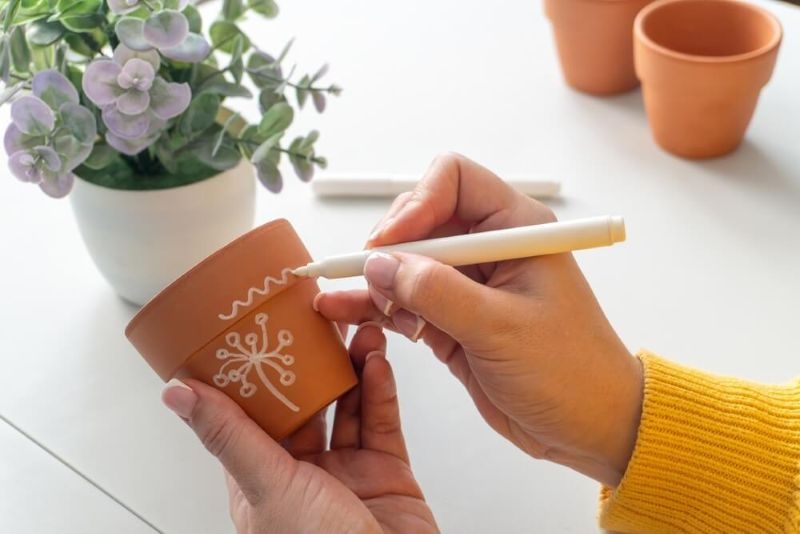
Gardens have changed. They are not just a backyard thing anymore. People are building little green corners on balconies, styling window sills, turning patios into hangout spots, and treating houseplants like roommates. And once the plants move in, the pots start looking… well, a bit sad. Basic terracotta is fine, but it can feel plain fast.
That is where chalk paint flower pots come in. They are simple, trendy, and oddly satisfying to make. Chalk paint gives that soft, velvety matte finish that looks expensive even when the pot cost five bucks. The best part? This is not a complicated DIY. It is one of those weekend projects that actually finishes in a weekend.
This guide walks through how to get that modern matte look, what tools matter, which mistakes to avoid, and how to style painted pots so they look intentional, not like a messy craft explosion.
Here is the thing. People assume painting pots means deep prep work, special primers, and a whole setup. Not always. With chalk paint flower pots, the prep is usually light, but it still matters.
Start by checking the pot. New pots often have dust. Old ones might have mineral buildup or soil stains. Either way, wipe it down.
Basic prep steps that actually help:
If the pot feels slick or sealed, lightly sand it. Nothing intense. Just enough to give paint something to grab onto.
This is also the moment to decide if the pot will live indoors or outdoors. Outdoor pots need extra sealing or weather will ruin the look. More on that soon.
Chalk paint has a specific vibe. It is muted but rich. Matte but still smooth. It takes a humble clay pot and makes it look like something from a design store.
It also plays well with modern garden styles. Minimal balconies. Neutral patios. Scandinavian inspired indoor corners. Even a slightly messy boho shelf. The finish blends in without screaming for attention, which is kind of perfect when the plant itself is the star.
And yes, chalk paint sticks well. Especially on terracotta. It grips porous surfaces like it was made for them.
A pot can be painted with almost anything. But some tools make it cleaner and less frustrating.
Helpful supplies:
For beginners, this is one of the best easy pot painting ideas because the materials are not expensive and mistakes are easy to fix. Chalk paint is forgiving. That alone lowers the stress.
The difference between “cute DIY” and “wow, that looks styled” often comes down to finish choices. Matte looks modern because it feels calm. No shine. No plastic vibe.
Modern styles that work well:
This is where decorative painted planters become part of the decor instead of just containers. They help plants fit into a room the same way a throw pillow or rug does.
And if someone thinks pots do not matter, place the same plant in a plain pot and then in a matte painted one. The difference is loud.
Not everyone wants one solid color. Fair. Some people want detail, but still want it to feel grown up.
A few techniques that look stylish:
These are solid DIY flower pot art methods because they do not require advanced skill, just patience. And honestly, patience matters more than talent in painting projects.
If the design starts looking busy, pause. Step back. Look from a distance. Sometimes one clean pattern is better than five ideas fighting on one pot.
This part gets ignored. Then the plant suffers. Then the pot gets blamed.
If the pot has a drainage hole, do not clog it with thick paint or sealer. Keep it clear.
Quick fix:
Also, avoid painting the inner rim too heavily, especially for outdoor pots. Moist soil and constant watering can cause paint to lift inside the pot. Keeping the inside more natural helps longevity.
Chalk paint alone is not weatherproof. Rain and sun will fade it. Water will stain it. If it sits outdoors, it needs protection.
Seal options:
If the goal is chalk paint flower pots that stay pretty outside, matte spray sealer usually wins. It protects without adding shine. Just use light coats and let it cure properly.
Outdoor tip: lift pots slightly off the ground using pot feet or small stones. It reduces moisture soaking in from below.
On a Related Note: Brazilian Wood Plant Flower: Perfect for Indoor Pot Gardens
Indoor pots are where chalk paint really shines because conditions are gentler. No direct storms. No harsh UV all day. Less wear.
For indoor painted plant pots, the styling options open up. People can match pots to wall color, shelves, or even artwork. They can go monochrome for a clean look, or pick one accent color for contrast.
Indoor trends that feel current:
A good pot makes a plant feel intentional. Like it belongs there. Not like it was dropped in and forgotten.
Terracotta is the classic base. It is cheap, lightweight, and easy to paint. But clay pots also invite creativity.
Fun creative clay pot designs that still look modern:
Dry brushing is especially good. Dip a brush lightly, wipe most paint off, then drag it gently over the surface. It creates dimension without heavy texture.
And if a pot turns out weird, it can be repainted. That is the beauty of this hobby. It is not fragile.
One painted pot looks nice. A group of them looks like design.
Simple rules that help:
If someone wants more easy pot painting ideas, suggest doing sets. Three pots in the same neutral tone with different patterns. Or five tiny herb pots with matching matte colors. That kind of repetition looks expensive.
Also, plants matter. A painted pot with a struggling plant still looks sad. Keep the plant healthy. The pot is not magic.
These are the usual potholes:
If the paint feels streaky, it might just need a second coat. Chalk paint often looks patchy during the first pass. That is normal. Let it dry. Then decide. And if brush marks show too much, try a foam brush or lightly sand between coats. Tiny fix, big difference.
Check Out: A Detailed Guide on Color Psychology for Painted Garden Pots
If modern gardens are about clean lines and calm textures, chalk paint fits right in. A simple pot becomes decor. A tiny weekend project becomes a whole new look. And honestly, it is kind of addictive once it starts.
Most terracotta pots do not need primer because chalk paint grips porous surfaces well. If the pot is glazed or sealed, light sanding helps.
With a good matte sealer and proper drying time, outdoor painted pots can last through multiple seasons. Without sealing, weather will fade and stain them fast.
Yes, but the surface needs prep. Clean thoroughly, lightly sand, and use a bonding primer if the plastic is slick. Seal it well for durability.
This content was created by AI